Power Steering Line Replacement Cost and How to Save Money
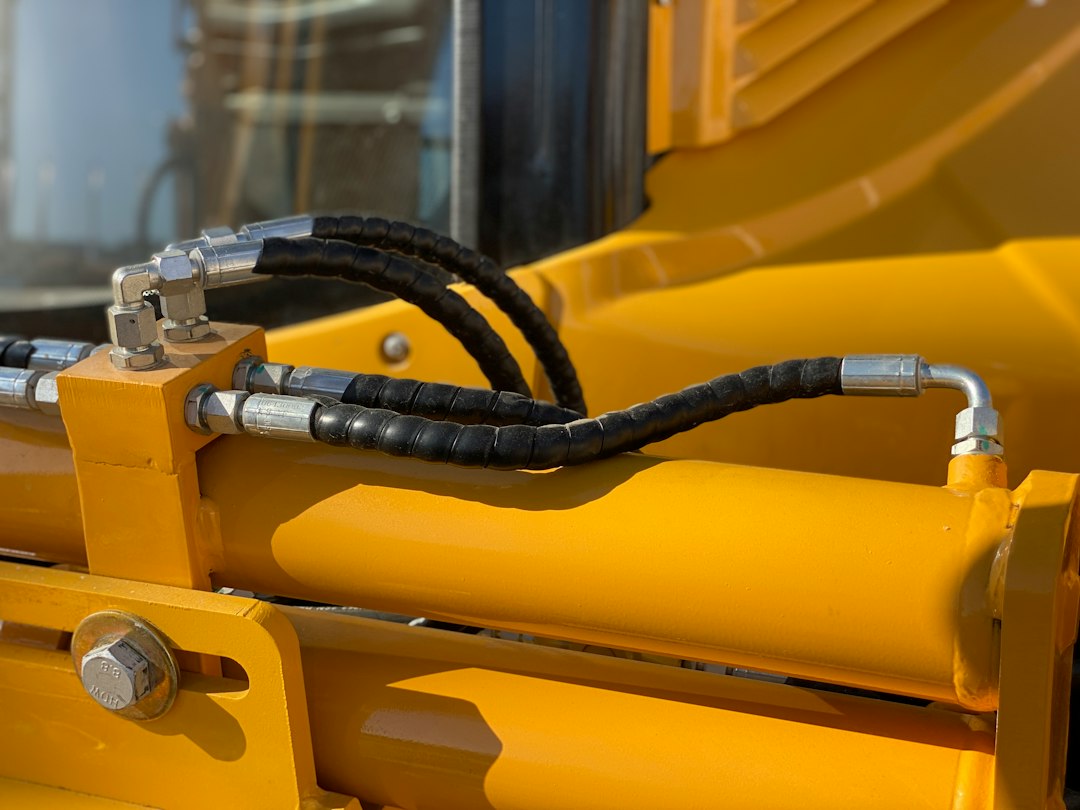
What Does Power Steering Line Replacement Cost in 2026?
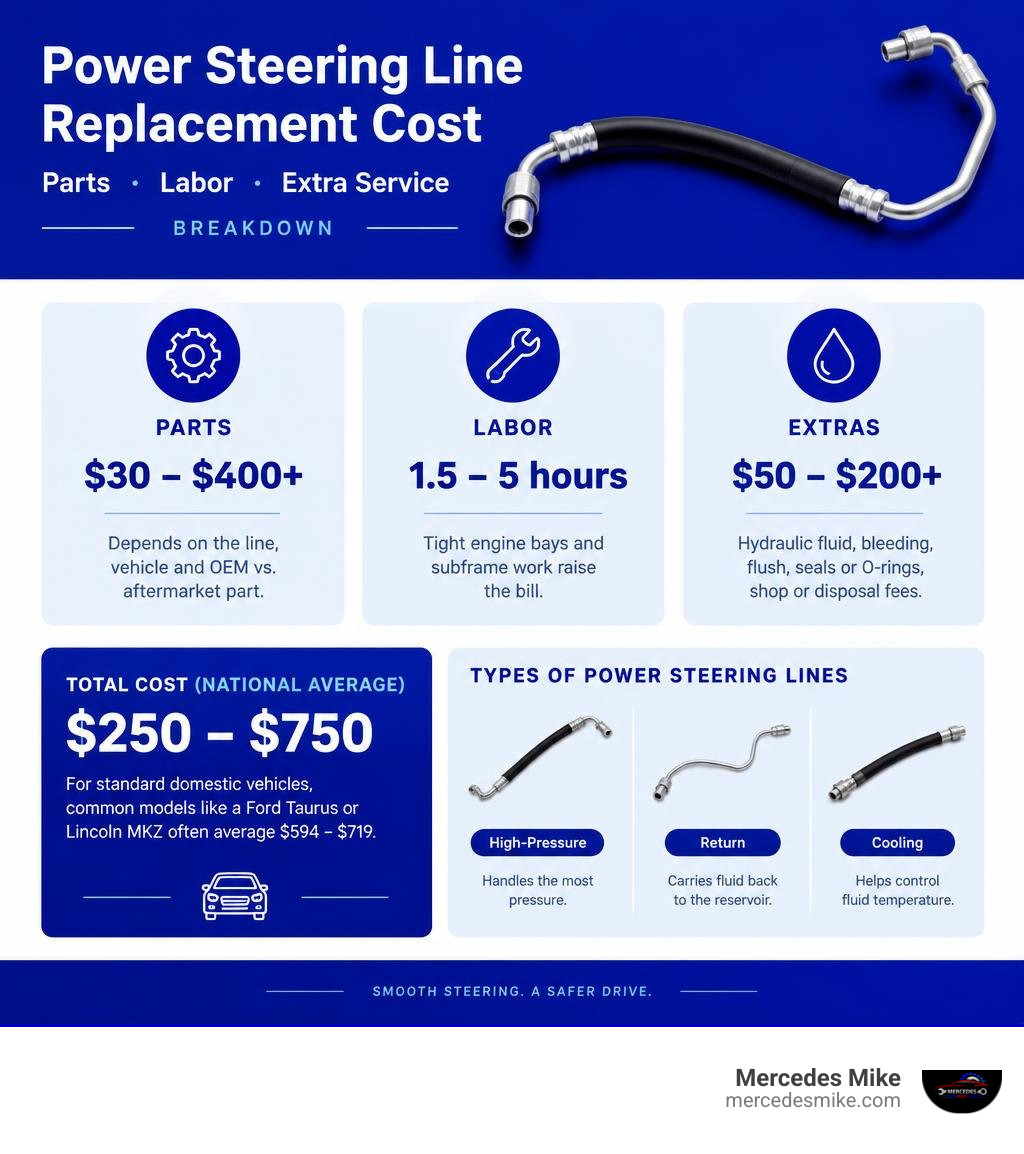
Power steering line replacement cost is usually about $150 to $500 for an accessible return or cooler line. Replacing a high-pressure hose often costs more, and complex luxury-car repairs can reach $600 to $1,000 or more when parts are expensive or access requires extra labor.
A clear estimate should include:
Parts: roughly $30 to $400+, depending on the line, vehicle, and OEM versus aftermarket part
Labor: usually 1.5 to 5 hours; tight engine bays and subframe work raise the bill
Extras: correct hydraulic fluid, system bleeding, a flush, seals or O-rings, and shop or disposal fees
Do not ignore red or amber fluid leaks, a whining steering pump, or suddenly heavy steering. A leaking line can let the system run low on fluid, damaging the pump or steering gear and turning a hose repair into a much larger expense.
I am Mike Ibrahim, and this guide will help you understand the estimate, spot unnecessary add-ons, and choose the right repair for your vehicle.
Total Power Steering Line Replacement Cost in 2026
When budgeting for a hydraulic line repair, the national average across all passenger vehicles falls between $250 and $750. For standard domestic vehicles, common models like a Ford Taurus or Lincoln MKZ frequently see complete hose replacements averaging between $594 and $719 depending on component accessibility and specific model year configurations.
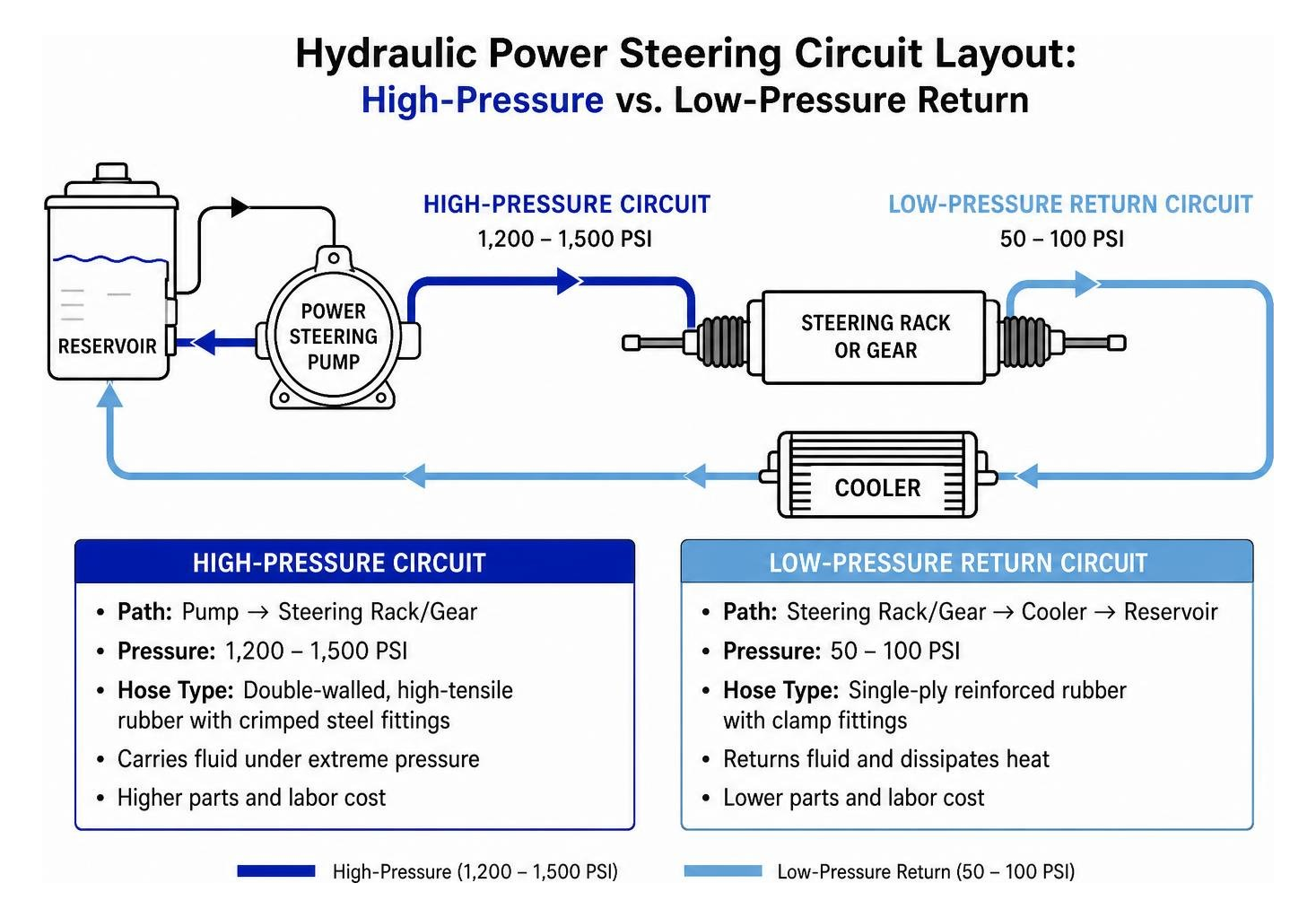
The overall expense depends on which line in the hydraulic circuit has failed. Your steering system relies on distinct high-pressure, return, and cooling lines, each engineered to handle different levels of heat and pressure.
Line Type | Typical Parts Cost | Typical Labor Range | Average Total Cost |
|---|---|---|---|
High-Pressure Hose | $80 – $350 | 1.5 – 4.0 hours ($150 – $550) | $230 – $900 |
Low-Pressure Return Line | $30 – $120 | 1.0 – 2.5 hours ($100 – $350) | $130 – $470 |
Power Steering Cooler Line | $40 – $200 | 1.0 – 3.0 hours ($100 – $400) | $140 – $600 |
For an in-depth breakdown of cooling-specific hardware, check out this comprehensive Power Steering Cooler Line Replacement Cost Guide.
Parts vs. Labor Cost Breakdown
Repair estimates are divided between the physical hardware and professional shop labor:
Parts Pricing: Budget aftermarket rubber hoses can cost as little as $30 to $80. In contrast, heavy-duty metal-braided or OEM assembly lines for performance vehicles frequently range from $150 to $400.
Labor Charges: Shop hourly rates generally range from $100 to over $200 depending on specialized tooling and technician certifications. A direct line swap might take only 1.5 hours, whereas an obscured line that snakes behind the engine block can require up to 5 hours of intensive labor.
Shop Supplies and Fluids: Standard hydraulic oil or dedicated synthetic fluid runs $20 to $50, with full system flushes adding $40 to $150 depending on fluid capacity and reservoir filter requirements.
High-Pressure Hose vs. Low-Pressure Cooler Line Costs
The physical job demands of the line dictate its manufacturing quality and retail price:
High-Pressure Lines: These hoses carry fluid directly from the power steering pump to the steering rack or gear. Operating under intense pressure—frequently reaching 1,200 to 1,500 PSI—they require double-walled, high-tensile rubber with crimped steel fittings. Because of these extreme operating tolerances, the parts are naturally more expensive to manufacture and replace.
Low-Pressure Return & Cooler Lines: Once fluid passes through the steering rack, it returns to the reservoir at a modest 50 to 100 PSI. These lines often route through a finned metal cooler tube near the radiator to dissipate heat. Because the pressure is lower, the hoses use simpler clamp fittings and single-ply reinforced rubber, making both parts and physical installation less costly.
Key Factors That Influence Repair Pricing
The total invoice for your power steering repair is shaped by several distinct vehicle and service variables. If your car has been experiencing wandering or loose handling alongside hydraulic issues, addressing broader steering repair needs while the system is drained can save significant time and money.
Vehicle Make and Model Impact on Power Steering Line Replacement Cost
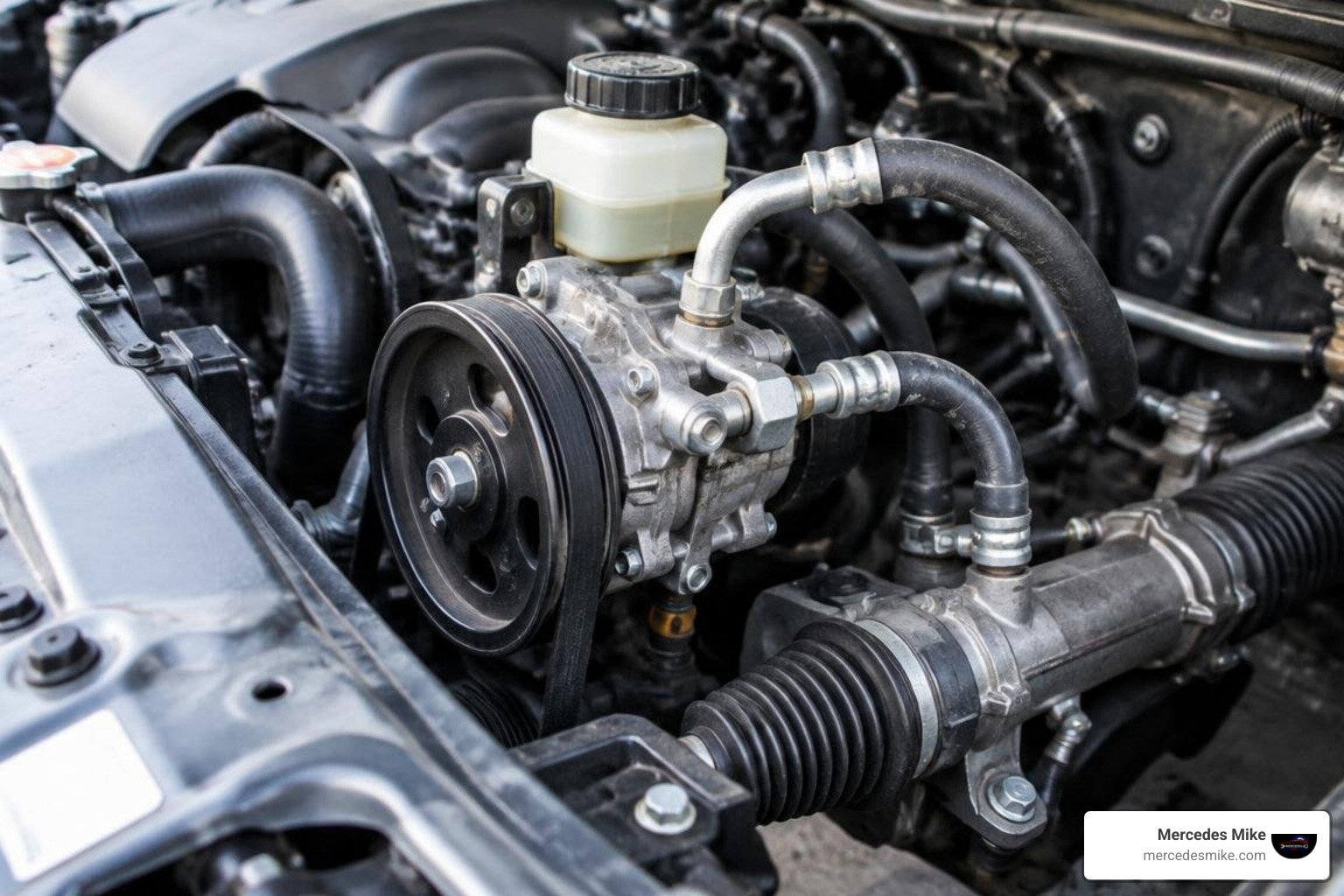
Vehicle engineering plays the largest role in determining repair difficulty. On full-size domestic pickup trucks, engine bays are roomy, providing technicians direct access to the steering pump and rack fittings. On these platforms, a replacement might take under two hours.
Conversely, German luxury sedans and SUVs (such as Mercedes-Benz, BMW, Audi, and Porsche) utilize compact packaging where hydraulic lines are tightly routed around turbochargers, intercoolers, and complex suspension geometry. Premium vehicles also demand exact-fit OEM hoses with specialized banjo bolts and vibration dampers. If your modern vehicle uses electronic assist motors instead of hydraulic pumps, you will instead want to reference the cost to fix electric power steering.
Accessibility and Labor Complexity
When a hydraulic line is buried beneath structural engine components, the physical labor hours escalate:
Subframe Dropping: On certain all-wheel-drive sedans and transverse-engine crossovers, accessing the steering gear connections requires partially unbolting the front subframe or engine mounts. This alone can add 2 to 3 labor hours.
Corroded Fittings: In humid or coastal climates, road grit and moisture cause steel flare nuts to seize against aluminum rack threads. Extracting seized fittings without damaging the steering rack housing requires patience and specialized flare wrenches.
Transfer Tube Service: In some cases, leaks occur directly on the hard metal lines that link the two hydraulic chambers of the steering rack. Addressing these requires a specialized rack and pinion transfer tube replacement rather than a simple chassis line swap.
Signs Your Power Steering Line Needs Replacement
Hydraulic lines deteriorate over time due to high operating temperatures, internal pressure pulses, and exposure to road debris. Knowing When Should You Get a Power Steering Line Replacement? prevents minor fluid seepage from cascading into total pump failure.
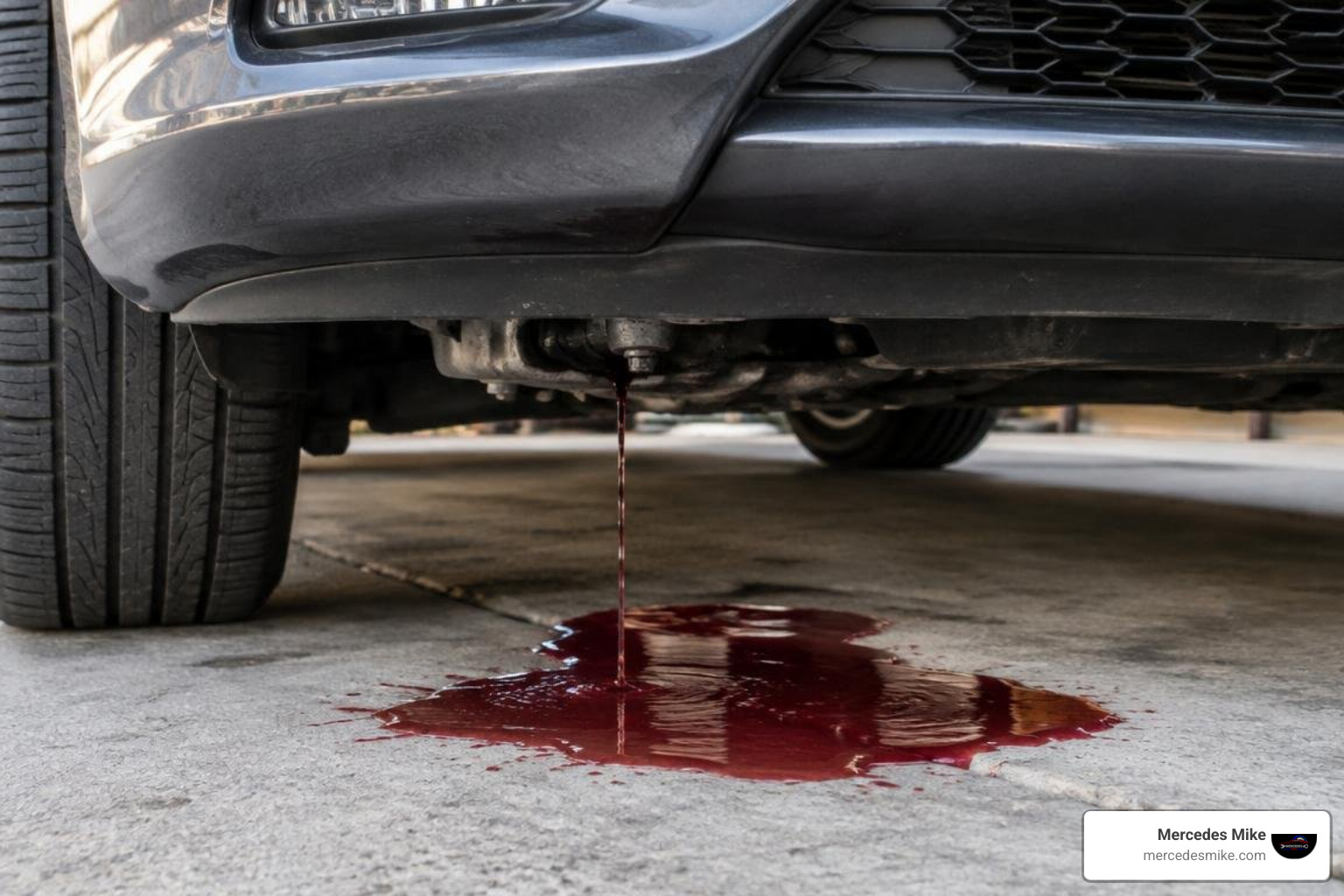
Fluid Leaks and Whining Pump Sounds
The most noticeable indicator of line failure is fluid pooling beneath the front chassis:
Fluid Stains: Power steering fluid is typically red, amber, or clear-synthetic. If you spot slick puddles near the front wheels, inspect the lines immediately.
Cavitation Whining: When a high-pressure line develops a crack or loose crimp, air is pulled into the hydraulic circuit. This causes the pump to aerate the fluid, generating a distinct high-pitched whining or groaning sound whenever you turn the steering wheel.
Burning Odors: Because steering lines route near hot exhaust manifolds, leaking fluid can drip onto the exhaust pipes, producing a sharp, pungent burning smell or light smoke from the engine compartment.
Steering Stiffness and Hydraulic Pressure Loss
When fluid escapes, hydraulic pressure drops:
Heavy Steering Effort: You will experience immediate resistance when turning the wheel, particularly at low speeds or while parking.
Jerky Assist: If fluid levels drop intermittently, the steering may alternate rapidly between power-assisted and completely manual mode during a turn.
Steering Free-Play: Chronic fluid loss and air pockets can cause vague feedback. If you notice dead zones around center, learn how technicians fix play in steering wheel assemblies.
DIY vs. Professional Line Replacement
Attempting a DIY replacement is tempting to save on labor, but hydraulic steering systems require precise tools and careful handling.
A successful DIY replacement requires:
Jack stands, ramps, and personal protective equipment.
A dedicated set of flare nut (line) wrenches to prevent rounding soft brass and aluminum fittings.
Catch pans, shop towels, and correct manufacturer-approved hydraulic fluid.
New copper crush washers and internal O-rings.
Because power steering circuits operate under intense pressure, improper torque specs can strip the aluminum ports on a steering rack or cause high-pressure spray onto hot engine parts. If the steering gear housing itself has worn internal seals, you may require a dedicated power steering box repair rather than a basic external line swap.
How to Lower Your Power Steering Line Replacement Cost
If you want to keep repair expenses manageable without compromising vehicle safety, consider these actionable steps:
Catch Leaks Early: Fixing a weeping return hose before fluid runs dry protects your expensive power steering pump from running dry and self-destructing.
Compare Quality Aftermarket Lines: High-grade aftermarket hoses from established OEM suppliers often meet factory pressure and burst ratings at 30% to 50% lower cost than dealership parts.
Bundle Routine Maintenance: Combine your line replacement with scheduled belt services, cooling flushes, or oil changes to overlap diagnostic and setup labor.
Address Filter-Integrated Reservoirs: Many European vehicles incorporate a non-serviceable fine mesh filter inside the plastic reservoir. Replacing the inexpensive reservoir alongside the leaking hose prevents newly freed debris from circulating through your new lines.
Additional and Hidden Expenses to Expect
When reviewing a repair estimate, keep an eye out for essential supporting items:
Complete Fluid Flush: Simply topping off fluid after a hose replacement leaves old, oxidized fluid and abrasive metal particulates in the system. A full pressure flush ($40 to $150) cleans the circuit.
Hardware & Seals: Banjo bolt sealing washers, bracket isolators, and O-rings ($10 to $30) should always be replaced with new hardware to guarantee a leak-free seal.
Fluid Disposal Fees: Repair shops charge environmental disposal fees ($5 to $25) to properly recycle hazardous petroleum and synthetic hydraulic oils.
Frequently Asked Questions About Power Steering Line Repair
Can I drive with a leaking power steering line?
We strongly advise against driving with an active power steering leak. As fluid escapes, air enters the system, causing the pump to run dry within miles. Without the cooling and lubricating properties of hydraulic fluid, the pump's internal vanes overheat and shed metal shavings throughout the steering rack, turning a manageable hose job into a multi-thousand-dollar steering overhaul. Furthermore, a sudden loss of steering assist while turning creates an immediate driving hazard.
How long does a power steering line replacement take?
For standard vehicles with easily accessible routing, replacing a line and bleeding the air from the hydraulic circuit typically takes between 1.5 and 2.5 hours. For performance or luxury vehicles requiring subframe adjustments, cooler relocation, or extensive engine bay disassembly, the procedure can take 3.5 to 5 hours.
Can a leaking power steering hose be repaired instead of replaced?
No, leaking high-pressure power steering hoses cannot be reliably patched, spliced, or wrapped with tape. Because high-pressure lines operate up to 1,500 PSI, temporary fixes will burst immediately under load. Low-pressure return lines should also be replaced entirely, as aged rubber degrades from the inside out, making patch sleeves prone to slipping off and causing sudden fluid loss.
Conclusion
A leaking power steering line is more than a messy driveway inconvenience—it directly affects your vehicle's handling stability and protects costly hydraulic components from premature failure. Understanding the differences between high-pressure hoses, low-pressure return lines, and cooler circuits allows you to make informed, budget-conscious decisions for your vehicle.
Whether you drive a performance coupe or a luxury European sedan, our team at Mercedes Mike brings decades of specialized experience and modern diagnostic tools to every repair across Pompano Beach and South Florida. If your steering feels stiff or you notice fluid leaks under the chassis, explore our comprehensive professional steering repair services to restore smooth, effortless handling today.